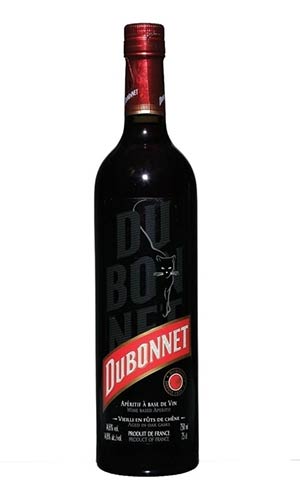
Dubonnet Rouge (75cl , 14.8%)
A French aperitif made with wine from the south of France. This is flavoured with herbs, spices and quinine and is aged in oak for three years.
Dubonnet is a popular French, wine-based aperitif flavored with a proprietary blend of herbs, spices, and a small amount of quinine. It has a rich history, originally developed as a way to make bitter quinine more palatable for French soldiers battling malaria in the mid-19th century.
Key Characteristics
- Type: Aromatized and fortified wine.
- Flavor Profile: A harmonious balance of sweetness from the wine and a bitter note from the quinine, with aromatic hints of citrus, spices (like nutmeg and cloves), and sometimes coffee beans or orange peel.
- Color: Deep ruby or amber red (in its most common “Rouge” form). A “Blanc” (white) variety is also available.
- Alcohol Content: Approximately 14.8% ABV (alcohol by volume).
- Serving Suggestions: Best served chilled (8ºC to 10ºC), either neat, with ice, or mixed into cocktails.
Popularity and Use
- Classic Cocktails: Dubonnet is a staple in the cocktail landscape. It is notably used in the “Queen Elizabeth” cocktail, a favorite of the late Queen Elizabeth II and the Queen Mother, which combines 70% Dubonnet with 30% gin and a slice of lemon. It can also be used in variations of classic drinks like Negronis.
- Versatility: Its complex and aromatic profile makes it versatile for both classic and modern mixology.
- Cultural Status: Dubonnet holds legendary status in the world of sophisticated drinks and is an icon of French culinary tradition.
| Weight | 2,2 kg |
|---|
Customer's also bought
Out of stock